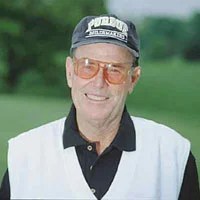
Pete Dye is without a doubt one of the most influential golf course architects of all time. His reputation is that of a creative genius and one of the world’s most imaginative course designers. At the same time, some critics have described his layouts as among the most challenging ever created.
Nevertheless, his courses have been the site of numerous major championships and countless professional tour events for more than 30 years. Just a few of his most famous designs include:
- TPC Sawgrass – Stadium Course, Ponte Vedra Beach, Fla. (1981)
- Ocean Course – Kiawah Island, S.C. (1991)
- Crooked Stick – Carmel, Ind. (1966)
- Harbour Town Golf Links – Hilton Head Island, S.C. (1969)
- Oak Tree – Edmond, Okla. (1976)
- PGA West – La Quinta, Calif. (1986)
- Oak Hollow Golf Course – High Point, N.C. (1972)
Pete Dye was born Dec. 29, 1925, in Urbana, Ohio. He majored in business at Rollins College and married Alice O’Neal in 1950. Alice was the lead golfer on the Rollins women’s golf team. After several years of building a successful insurance business, Pete turned his attention to golf course design.
In 1963, Pete and Alice took a month-long tour of some of Scotland’s classic golf venues. The trip proved to be an epiphany. At Prestwick, for example, Pete saw railroad ties supporting bunker faces, small greens, tiny pot bunkers and sprawling natural waste areas. Those features would go on to influence many of his future designs.
Oak Hollow, which opened in 1972, is fortunate to feature many of these classic Pete Dye design elements. Railroad ties, pot bunkers, peninsula greens and an island tee reflect Dye’s distinctive style. However, the course’s small, undulating greens remain its most recognizable trademark.